

Central Asia rewards travelers who show a little cultural awareness. Most etiquette here isn’t complicated. It just isn’t always intuitive for first-time visitors.
A few habits go a long way toward smoother, more respectful interactions, and none of them require prior knowledge of the region.
1. Greetings Matter More Than You Might Expect
A handshake is standard between men. Between men and women, it’s more common to wait and let the woman initiate physical contact.
A warm verbal greeting works everywhere. Taking a moment for small talk before getting to business, even a quick transaction, is generally appreciated, and rushing straight to the point can come across as brusque.
2. Dress Modestly, Especially Outside Major Cities
Tashkent and Almaty are fairly relaxed about dress. Smaller towns and rural areas are more conservative, and religious sites hold everyone to a stricter standard regardless of location.
Shoulders and knees covered is a safe default for both men and women. Bring a scarf or shawl. It works for sun protection and for covering up quickly near a mosque or shrine.
3. Ask Before Photographing People
Landmarks are fair game. People are different.
Always ask before photographing someone directly, especially in markets or at religious sites. Many people are happy to say yes. Some aren’t, and that preference deserves respect.
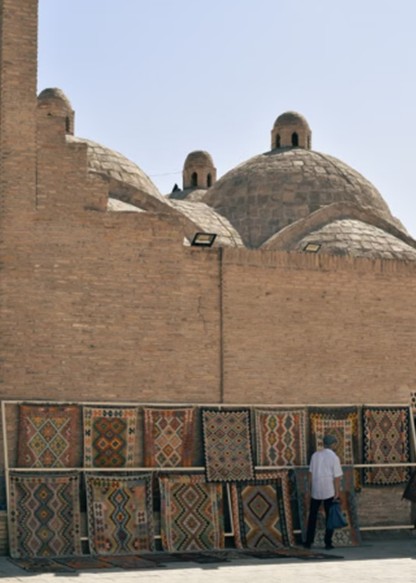
Are there places where photography isn’t allowed at all? Yes. Some government buildings, border areas, and certain religious spaces restrict photography entirely. Checking current guidance before you travel is worth doing, since signage at these sites isn’t always in English and rules can vary by location.
4. Learn a Few Dining Customs Before Your First Meal
Meals here are social events, not quick refueling stops. Expect multiple courses and unhurried conversation, often stretching well beyond what a typical meal at home might take.
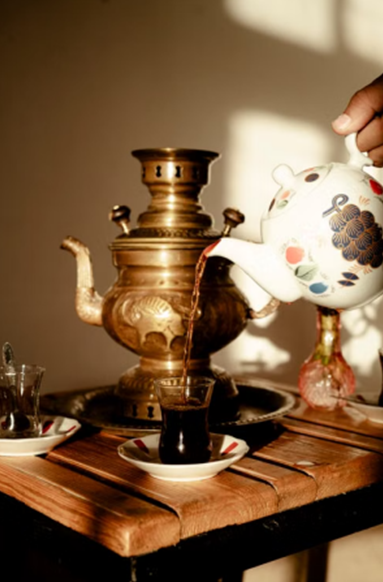
If you’re offered tea, accept it. Declining can come across as rude. Bread holds particular significance across the region. It’s often set right-side up and rarely wasted or thrown away, and placing it upside down is considered disrespectful in many households.
5. Remove Your Shoes Where Expected
Homes and some guesthouses expect shoes off at the door. Watch for a row of shoes near the entrance. That’s your cue.
Mosques follow the same rule, along with a few historic sites that preserve original flooring.
6. Show Extra Respect at Religious Sites
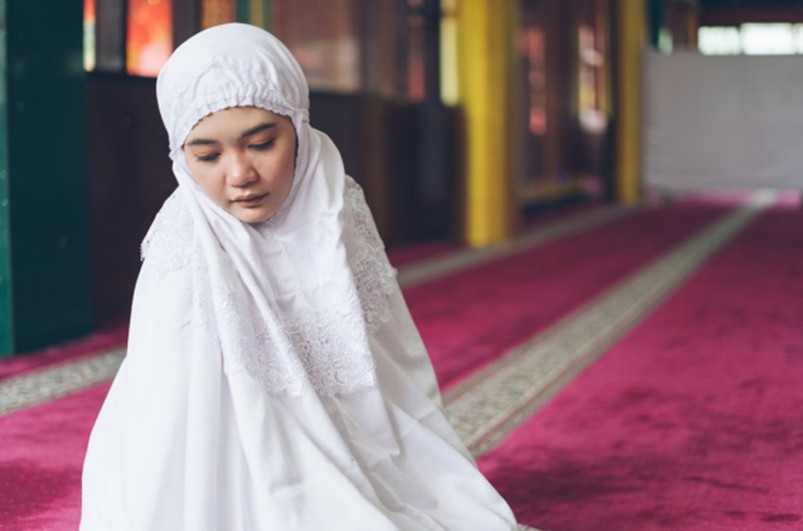
Beyond dress and shoes, keep your voice down inside active mosques and mausoleums. Many of these sites, including those within Bukhara’s historic center, are still used for worship, not just sightseeing, and treating them purely as photo opportunities can come across as inconsiderate to worshippers nearby.
Non-Muslim visitors are generally welcome at most mosques, but some areas within a complex may be restricted during prayer times.
Should you avoid visiting during prayer times entirely?Not necessarily, but be prepared to pause or step back respectfully if a prayer is underway. Guides typically know the local rhythm and can time visits accordingly.
7. Hospitality Runs Both Ways
Central Asian hospitality is famously generous, a trait often noted in general accounts of the region’s culture. Families sometimes invite travelers to share tea or a meal on short notice, even to complete strangers passing through a village.
Accepting graciously, even briefly, is usually the right move. A small gift, something from home, is a thoughtful way to reciprocate if you have the chance, though it’s rarely expected.
Why This Kind of Awareness Changes a Trip?
None of this requires expertise. It requires attention, and a willingness to follow the lead of people who live here. Most travelers pick these habits up naturally within the first day or two, once a guide has pointed them out.
Guided small group Five Stans tours typically brief travelers on these customs before departure, so none of it comes as a surprise mid-trip. East Site Travel, a US-based tour operator with an established office in Uzbekistan, builds this kind of cultural preparation into their luxury Five Stans tours as standard practice, alongside the logistics of transportation, hotels, and guiding. Travelers who want this kind of guidance before their own trip can find East Site Travel online to see how their itineraries are structured.
About the Author: Priya Anand is a travel writer specializing in cross-cultural etiquette and first-time travel to unfamiliar destinations. Her work focuses on helping travelers engage respectfully with local customs.
Want to know more? Head over to our blog!