
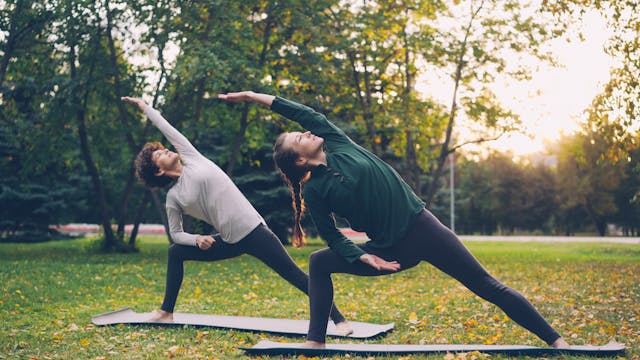
For anyone feeling stretched by the demands of daily life, yoga retreats can offer a calm space to pause, breathe, and return to yourself. When routines become full, it is easy to keep moving without noticing how tired the body feels or how busy the mind has become. A retreat gives you time away from those familiar pressures, with gentle movement, quiet reflection, and supportive guidance to help you feel more grounded.
A yoga retreat is not only for people with years of experience. Many retreats are shaped for mixed abilities, which means you can arrive exactly as you are. You do not need to be especially flexible, strong, or confident on the mat. What matters most is being open to slowing down and listening to what your body and mind need.
The pace of everyday life often leaves little room for stillness. Work, family responsibilities, messages, errands, and appointments can fill the week before you have had time to properly rest. Even when you do get a free afternoon, it can be difficult to switch off. A retreat creates a different kind of setting, where rest is built into the rhythm of the day and there is no pressure to rush on to the next thing.
This change of pace can feel deeply restorative. Gentle yoga practices can help release tension from the body, while breathwork and meditation give the mind a steady point of focus. Over time, these simple practices can help you feel calmer, clearer, and more aware of how you are feeling. Many people leave a retreat with a softer sense of energy, rather than the short burst of energy that comes after a typical break.
One of the most reassuring parts of a yoga retreat is the guidance you receive throughout the experience. A good teacher will explain each practice clearly, offer options, and encourage you to move in a way that feels safe and comfortable. This can be especially helpful if you are new to yoga or returning after a break. Instead of worrying about keeping up, you can focus on breathing, stretching, and noticing what feels right for your body.
Retreats often include a mixture of practices, each serving a slightly different purpose. Morning sessions may involve gentle movement to wake the body and build warmth. Later sessions might focus on slower stretching, Yin yoga, Yoga Nidra, or restorative poses that help the nervous system settle. Meditation and mindfulbreathwork may also be woven into the day, giving you simple tools that you can use once you return home.
The setting can make a real difference too. Many yoga retreats take place in peaceful countryside venues, quiet studios, or calming rural spaces. These surroundings help create a sense of distance from daily distractions. Fresh air, open views, soft natural light, and time outdoors can all support a quieter state of mind. Even small details, such as sitting with a cup of tea, journalling, or walking slowly between sessions, can help you feel more present.
Food also plays an important role in the retreat experience. Nourishing meals give the body steady energy and encourage you to slow down at the table. Instead of eating quickly between tasks, mealtimes become part of the day’s care. They offer a chance to pause, enjoy simple flavours, and connect with others in a relaxed way.
For many people, the shared atmosphere is one of the most comforting parts of a retreat. Guests often arrive alone, yet find themselves surrounded by others who are looking for the same sense of calm. There is something reassuring about being with people who also want to rest, reflect, and look after their wellbeing. You can join conversations when you feel like it, or take quiet time for yourself. A good retreat allows space for both.
A yoga retreat can also help you reconnect with your body in a kinder way. In daily life, the body is often treated as something that must keep going. We notice it most when it feels tense, tired, or uncomfortable. Yoga invites a gentler relationship. Through mindful movement and breath, you can begin to notice where you hold stress, where you need support, and where your body is asking for rest.
The mental benefits can be just as meaningful. Stepping away from normal routines gives you time to hear your own thoughts more clearly. Some people use retreats to reflect on a busy period, while others simply want to rest without needing to make decisions for a while. There is no right reason to attend. You might be seeking stress relief, space after a challenging time, or a chance to bring more calm into your week.
A retreat does not need to be long to have an effect. A day retreat can offer a much-needed pause, while a weekend retreat allows more time to settle into rest. Longer retreats can give the body and mind a deeper chance to unwind. The best choice will often be the one that fits your life, your energy levels, and your comfort.
The benefits of a yoga retreat can continue after the retreat ends. You might return home with a few breathing techniques, a short sequence of gentle stretches, or a clearer sense of what helps you feel calm. These small habits can become steady points of support in everyday life. Even five minutes of quiet breathing or mindful movement can help you reconnect with the feeling you experienced while away.
If you are thinking about booking your first retreat, look for one that feels welcoming and well paced. Small groups, experienced teachers, clear information, and a supportive tone can all help you feel at ease before you arrive. It can also be helpful to choose a retreat that welcomes beginners, provides options during practice, and gives you time for rest as well as guided sessions.
A yoga retreat is, at its heart, an invitation to give yourself time. Time to move gently, breathe fully, rest properly, and remember what it feels like to be present. For calming yoga experiences, supportive teachers, and retreats shaped with care, visit The Yoga Collaboration.
Want to know more? Head over to our blog!