
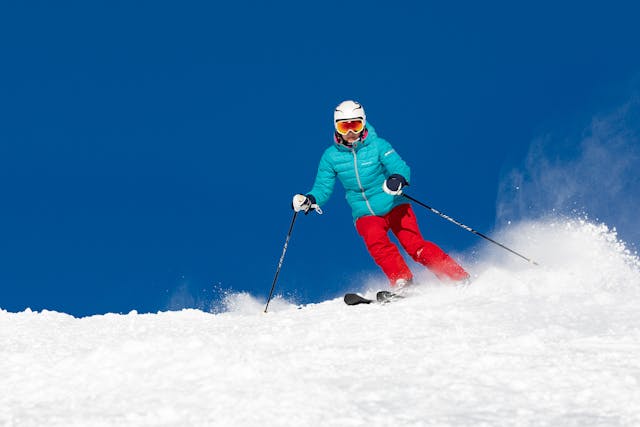
For many people, winter brings with it a familiar sense of excitement. The first snowfall, the planning of trips and the anticipation of crisp mountain air all signal a season that feels different from the rest of the year. Skiing, whether enjoyed once a season or every chance possible, has a way of pulling people out of routine and into something more energising.
Days on the slopes are shaped by movement, focus and freedom. From early morning lifts to long afternoons carving through fresh snow, skiing offers a combination of physical challenge and mental escape. Yet as with all adventure sports, the experience is shaped not only by what happens on the mountain, but also by how well you prepare away from it.
The Reality of Time on the Slopes
Skiing looks effortless when done well, but anyone who has spent time on the mountains knows how demanding it can be. Changing weather, varied terrain and physical fatigue all play a role in shaping each day. Even experienced skiers respect the unpredictability of alpine environments.
Minor falls, strains or equipment issues are common, particularly when conditions change quickly. Most of the time, these moments are part of the learning curve. Occasionally, however, they interrupt plans more seriously than expected.
Understanding this reality does not reduce the enjoyment of skiing. In fact, it allows people to approach the sport with greater awareness and confidence.
Preparation Is Part of the Experience
Ask a skier about preparation, and they will talk about fitness, equipment and checking weather forecasts. Boots are fitted carefully, skis are serviced, and layers are chosen with care. Preparation becomes part of the ritual.
Yet preparation can also extend beyond physical readiness. Travel arrangements, accommodation, lift passes and lessons are all planned in advance. Each detail contributes to a smoother experience.
Thinking ahead in this way allows skiers to focus on the joy of the sport rather than worrying about what might go wrong.
When Plans Do Not Go as Expected
Even the best-planned trips can change suddenly. Weather conditions may close lifts, injuries can happen on or off the slopes, or travel disruptions can delay returns home. These situations are frustrating, especially when time away is limited.
What often adds stress is not the event itself, but the practical consequences. Unexpected costs, medical treatment or changes to travel plans can create pressure when people should be resting or recovering.
This is why some skiers choose to arrange skiing insurance cover as part of their wider approach to planning. It sits alongside physical preparation as a way of reducing uncertainty and protecting the experience as a whole.
The Mental Side of Winter Sports
Skiing challenges more than the body. It requires focus, confidence and the ability to adapt quickly. Conditions change throughout the day, and skiers constantly assess speed, visibility and terrain.
This mental engagement is one of the reasons people love the sport. It creates a sense of presence that is difficult to find elsewhere. At the same time, mental clarity is easier to maintain when external worries are kept to a minimum.
Knowing that practical considerations have been addressed helps skiers stay relaxed and attentive on the mountain.
Understanding Risk Without Losing Freedom
Risk is part of skiing, but it is not the focus. Experienced skiers understand how to manage it sensibly. They choose runs that suit their ability, respect safety guidance and take breaks when fatigue sets in.
This balanced approach allows them to enjoy the sport fully without unnecessary danger. It also helps them ski for longer across seasons rather than pushing too hard and risking injury.
Applying the same mindset to preparation off the slopes creates consistency. It reinforces the idea that responsibility and enjoyment can exist side by side.
The Value of Specialist Insight
Not all travel or insurance arrangements are designed with winter sports in mind. Skiing involves specific risks, environments and travel patterns that are not always covered by standard policies.
This is where specialist guidance can be valuable. Organisations such as Sports Financial Services work with people who take part in high-risk or adventure sports. Their experience allows them to understand the realities of skiing and advise accordingly.
Having access to knowledgeable support removes confusion and helps skiers make informed decisions that suit how they actually travel and ski.
Supporting Recovery and Return
When an injury occurs, recovery becomes the priority. Rushing back too quickly can lead to further issues and prolong time away from the sport. Removing external stress during recovery allows people to focus on healing properly.
Support systems play an important role here. Knowing that practical matters are handled reduces anxiety and helps maintain a positive mindset. This makes the return to skiing smoother and safer when the time is right.
Long-term enjoyment often depends on patience and sensible decision-making.
Skiing as Part of a Balanced Life
For many, skiing is not just a holiday activity. It is a highlight of the year, a tradition with friends or family, or a way to stay active during the winter months. It contributes to wellbeing, confidence and connection.
Protecting that experience means thinking beyond the slopes themselves. It means recognising how travel, health and finances intersect with sport. Small, thoughtful preparations support a lifestyle where skiing remains a source of enjoyment rather than stress.
Making the Most of Every Season
Each winter season brings new opportunities and challenges. Snow conditions vary, skills develop and goals change. The most fulfilled skiers are often those who approach each season with respect, preparation and enthusiasm.
By planning sensibly and understanding the broader picture, skiers can focus on what matters most. Crisp air, strong turns, shared moments and the simple pleasure of moving through the mountains.
Preparation does not take away from that freedom. It protects it, allowing every trip to be enjoyed with confidence and clarity.